November 24, 2026
Excavation services are a crucial component of modern construction and development. However, there are numerous misconceptions surrounding the industry that can lead to misunderstandings about their necessity, impact, and cost. This article aims to explore and clarify these misconceptions, providing a clear and accurate understanding of what excavation services entail.
What are Excavation Services?
Definition and Scope
Excavation services involve the removal of earth, rock, or other materials to prepare a site for construction. This process encompasses a variety of tasks, including site preparation, trenching, and soil removal, often for new buildings or infrastructure projects. Understanding this scope is essential for appreciating the role excavation plays in development.
Despite its significance, excavation is often misunderstood, particularly regarding its scope and necessity. It not only facilitates construction but also enhances landscaping and protects site integrity. These services are part of a broader construction ecosystem where digging and preparing the ground is as critical as the building process itself.
Common Types of Excavation
Among the various types of excavation services, trenching, site preparation, and grading are some of the most common tasks performed. Each serves a specific purpose: trenching involves digging narrow and deep for pipes or cables, site preparation clears and levels the land, and grading adjusts the slope and elevation of an area.
The choice of excavation type depends on the project's needs. For example, trenching is invaluable for installing utilities, while grading ensures proper drainage and foundation stability. These services collectively contribute to creating a solid groundwork for various construction projects, from residential homes to large-scale commercial developments.
Importance in Construction
Excavation is foundational to construction projects. Without proper excavation, structures could face severe issues such as unsound foundations, poor drainage, and uneven landscapes. By ensuring the site is properly prepared, excavation services help mitigate these risks, making them indispensable in the construction pipeline.
A properly executed excavation ensures long-term stability and safety, hence its emphasis in construction. The preparation of a site through excavation is what sets the stage for successful building endeavors, indicating that any minimization of its role in construction is indeed a misconception.
Misconceptions About Accessibility
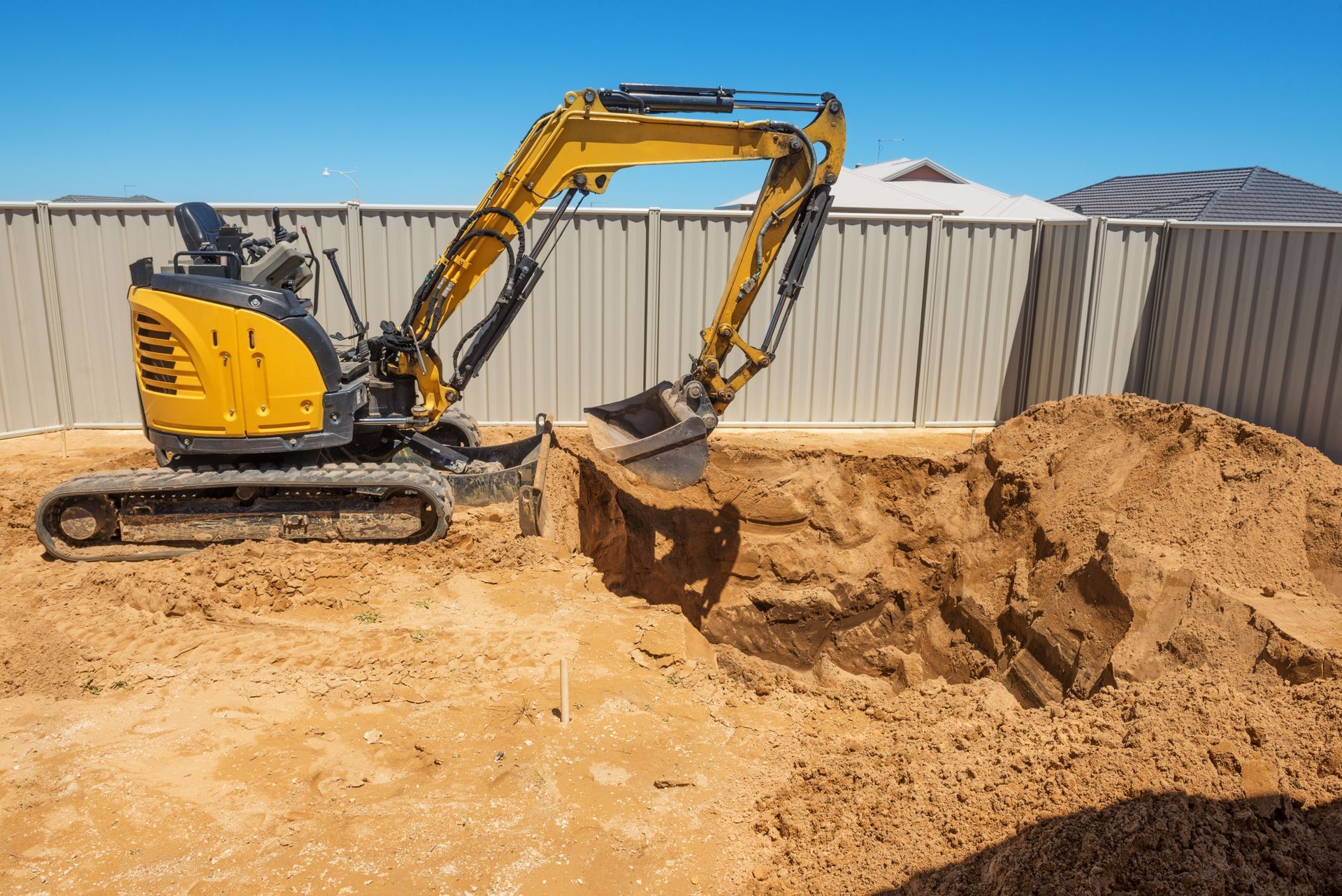
A prevalent misconception is that excavation services are reserved only for large commercial projects. In reality, they are integral to smaller projects as well, such as home extensions or pool installations. Even modest residential projects benefit from professional excavation, ensuring that groundwork is secure and compliant with building codes.
Many homeowners might overlook the benefits of hiring professional services for what appears to be a minor project. However, the precision and expertise brought by skilled excavators guarantee the longevity and safety of the build, making their involvement advantageous regardless of project scale.
How Do Excavation Services Impact the Environment?
Environmental Concerns
Excavation services often face scrutiny for their environmental impact. Common concerns include soil erosion and habitat disruption. However, the industry's approach has evolved significantly over the years, incorporating methods that minimize these adverse effects while achieving necessary construction outcomes.
Nonetheless, misconceptions persist about the extent of the damage caused by excavation. In reality, modern practices strive to balance development needs with environmental stewardship, using techniques designed to reduce erosion and protect local ecosystems.
Sustainable Practices
Modern excavation services have embraced sustainable practices to mitigate environmental impact, such as using advanced technology for precision digging and implementing soil conservation methods. These practices significantly reduce the ecological footprint of excavation activities, debunking myths that excavation is inherently harmful to the environment.
Where excavation is concerned, sustainability is key. By focusing on methods that conserve resources and minimize waste, services are now designed with both the project and the planet in mind, showcasing a commitment to responsible development.
Regulations and Compliance
Strict regulations govern excavation activities, ensuring that operations are compliant with environmental standards and safety protocols. These regulations are crucial in minimizing potential environmental impacts, mandating responsible practices and use of technology that reduces harm.
Adherence to such regulations not only protects the environment but also reassures clients that the services provided are safe and compliant. This aspect of excavation demystifies myths about the industry's risks, highlighting the role of legislation in defining sustainable practices.
Debunking Myths About Environmental Damage
Despite common narratives, the environmental damage attributed to excavation is often overstated. The industry’s emphasis on sustainable and compliant practices has significantly lowered the adverse effects associated with traditional excavation techniques.
A comprehensive understanding reveals that the industry is far from being a major polluter. Instead, it exemplifies how critical infrastructure development can coexist with ecological stewardship, reinforcing that misconceptions are often not reflective of current realities.
How Much Do Excavation Services Cost?
Factors Influencing Cost
The cost of excavation services is influenced by several factors, including the size and complexity of the project, equipment required, and site conditions. For example, projects in rocky terrain may require more intensive labor and machinery, affecting overall costs.
Understanding these factors helps clients anticipate expenses and dispel myths about uniformly high prices. Costs vary widely, influenced by the unique demands of each project rather than a standard rate sheet, making client education paramount.
Cost-Saving Tips
For those looking to save on excavation services, there are effective strategies. Comparing multiple quotes, ensuring site readiness before excavation begins, and opting for off-peak schedules can significantly reduce costs.
Additionally, working with experienced providers who offer project insights can lead to more efficient processes, further keeping expenses manageable without compromising on the quality and safety of the work done.
Understanding Quotes
Receiving multiple quotes for excavation projects is common, but understanding them requires careful consideration. Clients should inquire about what each quote includes and clarify any hidden costs to ensure they receive comprehensive services within their budget.
By demystifying quotes, clients can make informed decisions, avoiding potential pitfalls like underestimating a project's financial scope. Knowledge is transformative, especially when navigating service options that align with financial and project expectations.
Addressing Cost Misconceptions
Misconceptions about the high cost of excavation often arise from not understanding the factors involved. The reality is that costs are competitive and reflect the complexity and demands of individual projects, backed by expert labor and advanced equipment use.
Educating clients on these dynamics, including the fact that according to WifiTalents, soil and stones account for approximately 15% of all construction waste, helps dispel myths about seemingly exorbitant pricing and positions excavation services as accessible and reasonable in the grand scheme of construction expenses.
What Equipment is Used in Excavation Services?
Basic Equipment
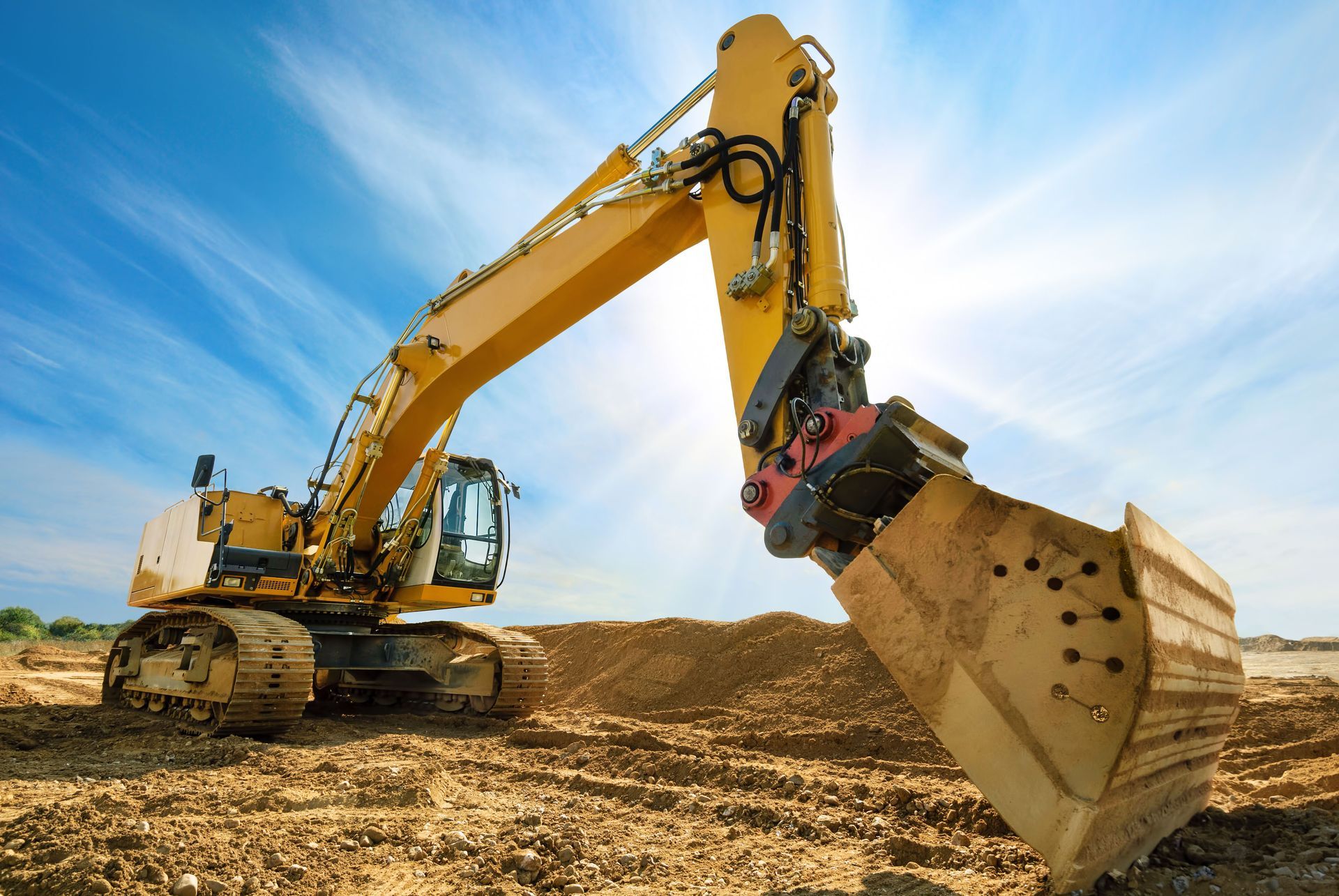
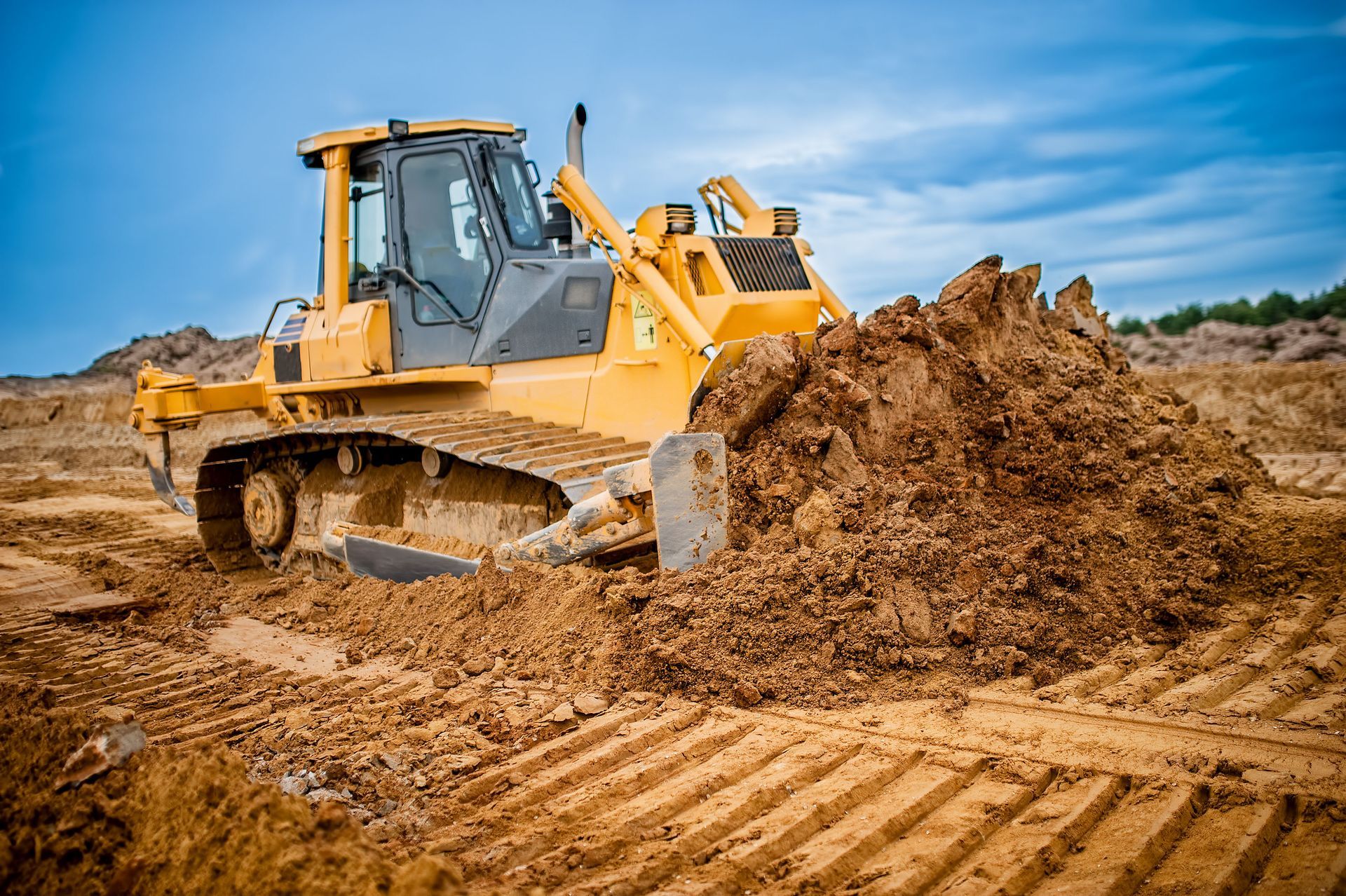
Excavation services rely heavily on specialized equipment, which includes backhoes, bulldozers, and trenchers. These machines are fundamental in shaping the landscape according to the demands of the project, ensuring precision and efficiency.
The expertise involved in operating such equipment underscores the importance of choosing professional services over DIY approaches, which often lack the correct tools for effective work execution.
Advanced Machinery
Beyond basic tools, advanced machinery like hydraulic excavators and rotary compactors are utilized for more complex tasks. These machines enable excavators to tackle challenging projects that require additional capability or specialized application.
With technology advancements, the precision and efficiency of excavation work have improved, allowing projects to be completed more quickly and with better outcomes, which is crucial in a field where time and detail are of the essence.
Technological Innovations
The introduction of technological innovations in excavation equipment, such as GPS systems and machine control technology, has transformed the efficiency and accuracy of excavation services. These technologies reduce waste and time, showcasing the progressive nature of the industry.
Such advancements not only enhance capabilities but also provide frameworks for sustainable practice integrations, revealing a dynamic sector poised to meet modern construction's dual demands of efficiency and environmental stewardship.
Excavation services are a pivotal aspect of construction and various other industries, dispelling misconceptions about their exclusivity, cost, and environmental impact is essential. By providing clarity on the intricacies and advancements within excavation services, this article aids in informed decision-making, appreciating these services for their contribution to safe and successful project execution. Reach out to S & S Boring and Excavation LLC today to see how we can help you!